
Journalists
🚨Opioid Settlement Quick Guides!🚨
New resources to help you get started (or keep rolling!) on opioid settlement stories
Journalists
New resources to help you get started (or keep rolling!) on opioid settlement stories
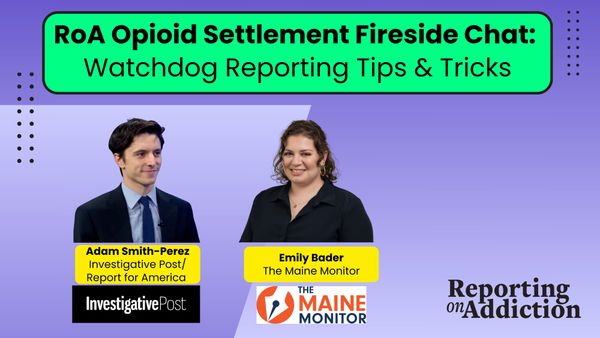
Opioid Settlement Funds
Watch our 45-minute discussion with journalists Emily Bader & Adam Smith-Perez
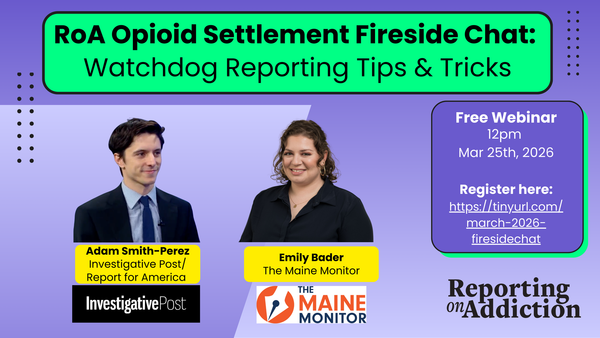
Opioid Settlement Funds
Register for our upcoming conversation with journalists Emily Bader & Adam Smith-Perez
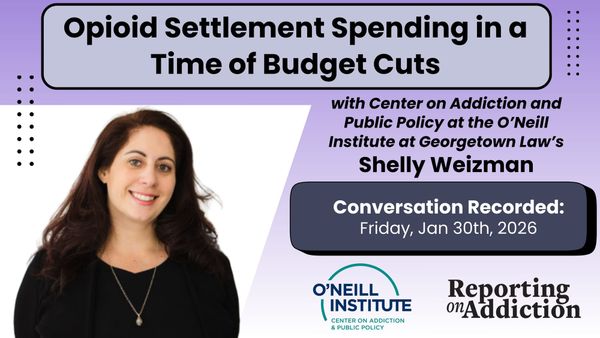
Opioid Settlement Funds
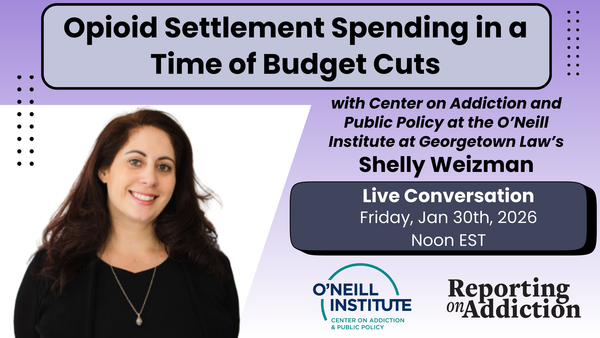
Watch our Fireside Chat with Shelly Weizman
Opioid Settlement Funds
Register for our Fireside Chat with Shelly Weizman

Journalists
Hi! As we enter the second week of October, we wanted to re-up our alcohol resources that can help journalists covering Sober October. 👻 By using the same Reporting on Addiction resources that cover Dry January & Damp January topics, you can help leverage interest in Sober October to create healthier,
Journalists
A new resource to help you get started (or keep rolling!) on opioid settlement stories
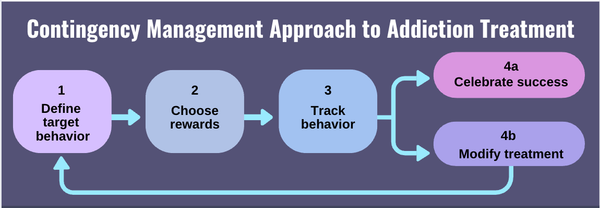
View our latest set of resources to help improve your reporting this National Recovery Month and year-round!

Opioid Settlement Funds
Catch up on our conversation with Mississippi Today!
Resources
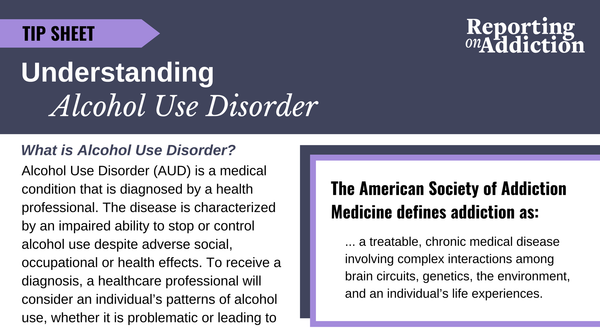
During this Alcohol Awareness Month, we're working to help journalists better understand alcohol use and misuse. When journalists understand key aspects of alcohol use—prevention, harm reduction, treatment, and recovery—they can report on alcohol issues more accurately and empathetically. This informed reporting directly benefits communities by helping
Journalists
This is part of our series of articles about Dry January & Damp January Dry January is an opportunity to inform your audience about alcohol in a way that increases awareness of risky drinking, alcohol use disorder, behavior change, and addiction treatment. Although there is voluminous Dry January coverage (and
Journalists
This is part of our series of articles about Dry January & Damp January Many of symptoms of alcohol use disorder (AUD) or alcohol addiction intersect directly with Dry January but are not acknowledged in the coverage or by the audience as a potential indicator of problematic drinking. Consider that