Journalists
🎤📹Reporting on Addiction Conversations Series (Ep. 6)
RoA Conversations w Scott Maucione (WYPR)
Journalists
RoA Conversations w Scott Maucione (WYPR)
Journalists
RoA Conversations w Jake Pearson (ProPublica)
Journalists
RoA Conversations w Zach Siegel (Freelance)
Journalists
RoA Conversations w Katie Jane Fernelius (Verite News)
Journalists
RoA Conversations w Hannah Harris Green (What's It Like?)

Journalists
Amy Yurkanin (ProPublica)
Journalists
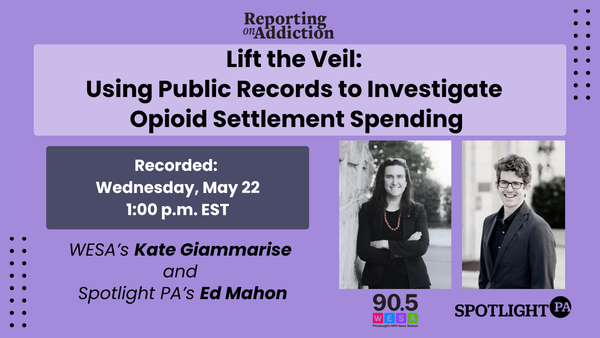
Watch our discussion about how FOIAs can support your reporting
Journalists
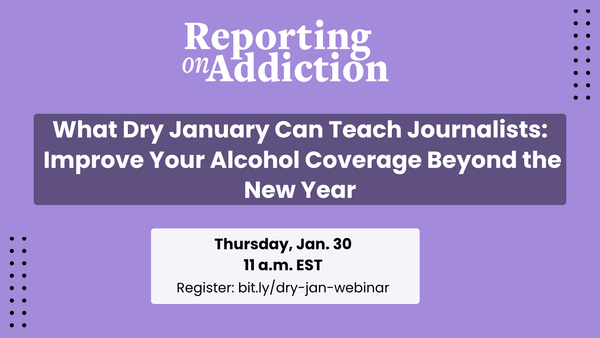
Is January over today? Yep! So why keep talking about Dry January? Because we know that coverage about alcohol doesn't stop on January 31st. Your next year of alcohol-related news coverage could include: * What can people do in February now that Dry January is over? * The emerging
Journalists
This is part of our series of articles about Dry January & Damp January Journalists cover Dry January & Damp January because drinking is so common. More so than other substances associated with harm, a journalist (and their audience) likely has experiences with drinking because alcohol use is socially acceptable—
Explainer
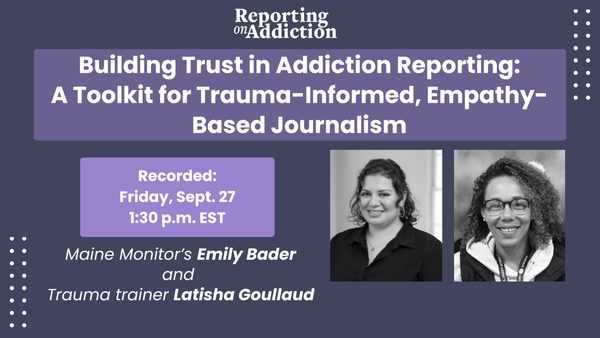
We're continuing our efforts to help journalists across the country cover addiction in their communities by hosting a fireside chat with two professionals to discuss our brand new guide to trauma-informed and empathy-based approaches to interviewing: Maine Monitor reporter Emily Bader and parenting and trauma trainer
Resources
There are high rates of trauma among people who use drugs, have an active addiction, are in treatment or recovery, or love and support people having these experiences. Understanding that trauma can shape our interactions is an important step toward conducting ethical interviews with vulnerable, historically marginalized people that do
Videos